There comes a point when a house no longer fits the way people live. Maybe the kitchen feels too small for a growing family. Maybe the bathrooms look outdated, or the layout makes daily life frustrating. In many cases, homeowners start thinking about moving, but then realize the better option may be improving the home they already have.
That is where a full home renovation becomes a smart investment.
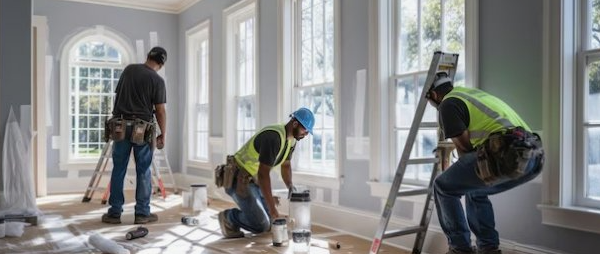
A full home renovation project is more than replacing floors or repainting walls. It is a complete transformation that improves comfort, functionality, appearance, and long term value. For many homeowners, especially those purchasing older properties, renovating the entire house at once creates better results than fixing one room at a time.
Understanding the process helps homeowners avoid surprises and feel more confident before construction begins. From planning and budgeting to structural work and final finishes, every stage matters.
Key Takeaways
- A full home renovation improves multiple areas of the house during one coordinated project.
- Renovations often include kitchens, bathrooms, flooring, plumbing, electrical, and structural upgrades.
- Planning and budgeting are critical for avoiding delays and unexpected expenses.
- Working with experienced professionals can help homeowners plan safer, more organized renovation projects.
What Is Included in a Full Home Renovation?
A full home renovation involves upgrading several parts of a house instead of focusing on one isolated area. The goal is to improve how the home looks, feels, and functions for everyday living.
Some projects involve cosmetic updates like paint, flooring, and lighting. Others require major structural changes, including removing walls, rebuilding layouts, or updating old plumbing and electrical systems.
Many homeowners choose full home renovations because older homes often contain outdated materials, inefficient layouts, or hidden damage that affects comfort and energy use.
A renovation may include:
- Kitchen remodeling
- Bathroom upgrades
- Flooring replacement
- Electrical rewiring
- Plumbing improvements
- Window and door replacement
- Lighting updates
- Interior and exterior painting
- Storage additions
- Structural repairs
When everything is planned together, the finished home feels more balanced and functional.
Why More Homeowners Are Choosing Renovation Over Moving
Moving to a new house can involve more than the sale price. Closing costs, financing conditions, moving expenses, and available inventory can all affect whether relocation makes sense.
That is why some families compare full home renovation projects with moving before deciding what fits their goals.
Instead of leaving a neighborhood they love, homeowners can redesign the house around their current lifestyle. Renovation also allows people to personalize spaces in ways that are difficult to find in move in ready homes.
This is especially true for homeowners looking for a trusted home renovation contractor who understands both design and long term functionality.
Many renovation projects today also focus on energy efficiency, open layouts, and improved storage solutions that better support modern living.
Step 1: Planning and Budgeting
Every successful renovation starts with a clear plan. Without planning, projects can quickly become expensive and disorganized.
Homeowners should first identify what areas need improvement and what problems they want to solve. Some people want more space, while others need updated systems or a modern appearance.
A professional full home renovation contractor can help evaluate the property and explain which upgrades make the most sense financially and structurally.
Important Planning Considerations
- Overall project goals
- Construction timeline
- Permit requirements
- Material selections
- Emergency repair budget
One common mistake is spending too much on cosmetic details before addressing structural or system related issues.
Good planning creates a smoother renovation experience from beginning to end.
Step 2: Design and Layout Development
The design phase is where homeowners begin shaping how the renovated house will function every day.
This stage includes selecting layouts, materials, colors, lighting, and room configurations. A well designed space improves comfort while also making the home feel larger and more organized.
Many full home renovations focus on creating open layouts because they improve natural light and traffic flow throughout the house.
This stage often includes updates such as:
- Larger kitchens with islands
- Expanded bathrooms
- Better storage systems
- Open living spaces
- Improved lighting placement
Homeowners also commonly prioritize modern bathroom design upgrades during this phase because bathrooms have a major impact on comfort and property value.
Step 3: Demolition and Site Preparation
Before new construction begins, old materials and outdated structures need to be removed. This process is called demolition.
Depending on the renovation scope, contractors may remove walls, flooring, cabinets, fixtures, or ceilings.
Although demolition looks messy, it is one of the most important parts of a full home renovation because it prepares the property for safe rebuilding and improvements.
Professionals also inspect hidden areas during demolition to identify water damage, mold, framing problems, or outdated wiring.
Finding these issues early helps avoid expensive repairs later.
For homes built before 1978, renovation work that disturbs painted surfaces may require lead safe certified practices under applicable federal or state program rules.
Step 4: Structural Repairs and Framing
After demolition, contractors inspect the structural integrity of the property.
Older homes often contain damaged framing, uneven flooring, foundation issues, or roof concerns that need attention before cosmetic work begins.
This stage may include removing walls to create open layouts or reinforcing support structures for safety.
Common Structural Improvements
- Wall removal or additions
- Floor reinforcement
- Roof framing repairs
- Foundation stabilization
- Window and door resizing
A quality full home renovation service focuses on long term durability, not just appearance.
Strong structural work ensures the house remains safe and functional for years to come.
Step 5: Plumbing and Electrical Upgrades
One of the most important parts of a renovation happens behind the walls.
Older electrical systems may not support modern appliances, while outdated plumbing can lead to leaks and water damage.
During a full home renovation, electricians and plumbers install safer and more efficient systems before drywall and finishes are completed.
Common System Upgrades
- New electrical panels
- Modern wiring and outlets
- Updated plumbing pipes
- LED lighting systems
- Smart home features
This phase can improve safety and may support energy efficiency, especially when upgrades include modern wiring, safer electrical capacity, and efficient lighting choices.
Renovation Areas and Their Purpose
| Renovation Area | Main Purpose | Long Term Benefit |
| Kitchen Remodeling | Improve functionality | Better daily workflow |
| Bathroom Renovation | Increase comfort | May support home value |
| Electrical Upgrades | Improve safety | Better efficiency |
| Plumbing Updates | Prevent leaks | Reduced maintenance |
| Flooring Replacement | Improve appearance | Easier maintenance |
| Structural Repairs | Strengthen home | Long term stability |
Step 6: Interior Finishes and Custom Features
Once structural work and system upgrades are complete, the home begins looking finished again.
This phase includes installing flooring, cabinets, trim, countertops, paint, lighting fixtures, and other visible details.
Many homeowners use this stage to personalize the property with custom features that improve both comfort and appearance.
This may include:
- Built in storage
- Custom shelving
- Large kitchen islands
- Walk in showers
- Accent walls
For homeowners searching for Complete home renovation MA, this stage is often where the vision finally comes together.
The house starts feeling less like a construction site and more like a home again.
Common Mistakes Homeowners Make During Renovation
Even well planned projects can face challenges if homeowners make rushed decisions or ignore important details.
One common mistake is choosing the cheapest contractor instead of focusing on experience and communication.
Another mistake is repeatedly changing the design during construction, which can cause delays and increase costs.
Do This, Not That
| Do This | Avoid This |
| Plan realistic budgets | Underestimating costs |
| Prioritize structural updates | Spending only on cosmetics |
| Hire experienced professionals | Choosing based only on price |
| Approve designs early | Making constant changes |
| Prepare for temporary disruption | Expecting zero inconvenience |
A successful full home renovation requires patience, planning, and realistic expectations.
How Long Does a Full Home Renovation Take?
Every project is different, but timelines usually depend on the size of the property and the amount of work involved.
Smaller renovations may take several weeks, while larger projects can last several months.
Factors that affect timelines include:
- Permit approvals
- Material availability
- Structural repairs
- Weather conditions
- Design changes during construction
Working with a reliable full home renovation contractor helps keep projects organized and reduces unnecessary delays.
Choosing the Right Renovation Team
The contractor homeowners choose has a major impact on the entire renovation experience.
Experienced contractors understand how to manage timelines, coordinate subcontractors, and solve unexpected problems without causing unnecessary stress.
Homeowners searching for a trusted Home Remodeling Company in Massachusetts should look for:
- Strong communication
- Licensed and insured professionals
- Clear timelines and contracts
- Experience with large renovation projects
- Positive client feedback
Choosing the right team makes the renovation process smoother and more predictable.
Conclusion
A full home renovation is one of the biggest investments homeowners can make, but it can completely transform the way a house looks and functions. From planning and demolition to design and finishing details, every stage plays an important role in creating a comfortable and functional living space.
When done properly, renovations can improve daily life, may support property value, and allow homeowners to enjoy a home that better fits their lifestyle.
Right Price Remodeling helps homeowners bring their renovation vision to life with reliable craftsmanship and professional remodeling solutions. For more information, contact Matt.price@rightpriceremodeling.com or call 781 987 3137 to discuss your renovation goals.
FAQs
1. What is included in a full home renovation?
A renovation usually includes kitchens, bathrooms, flooring, plumbing, electrical work, painting, and structural improvements.
2. How much does a full home renovation cost?
The total cost depends on home size, materials, labor, and the amount of structural work required.
3. How do I choose the right full home renovation contractor?
Look for licensed professionals with experience, strong communication, and positive customer reviews.
4. How long do full home renovations usually take?
Most projects take several weeks to several months, depending on complexity and property size.
5. Is renovating better than moving?
For many homeowners, renovating can be a practical alternative to moving, but the better choice depends on project cost, home condition, financing, timeline, and long term plans.